
A Beginner's Guide to Lavender
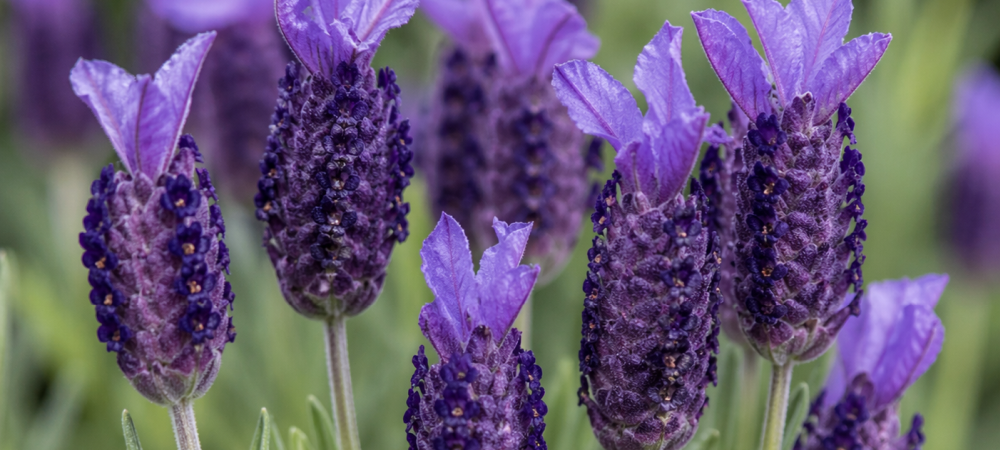
To grow lavender successfully, it’s important to provide plenty of sunlight—at least 6 to 8 hours a day—and well-draining soil. Lavender does not tolerate excess moisture, so sandy or slightly alkaline soil works best. Overwatering is one of the most common mistakes, so it’s better to water sparingly and allow the soil to dry out between watering. Planting lavender in raised beds or pots can help improve drainage, especially in areas with heavy rainfall or clay soil.
Caring for lavender involves regular pruning to maintain its shape and encourage new growth. Trimming the plant after flowering helps promote more blooms and prevents it from becoming woody. Lavender also benefits from good air circulation, so avoid overcrowding plants. With minimal care and the right environment, lavender can thrive for years, offering not only visual beauty but also a refreshing fragrance that enhances your garden experience.